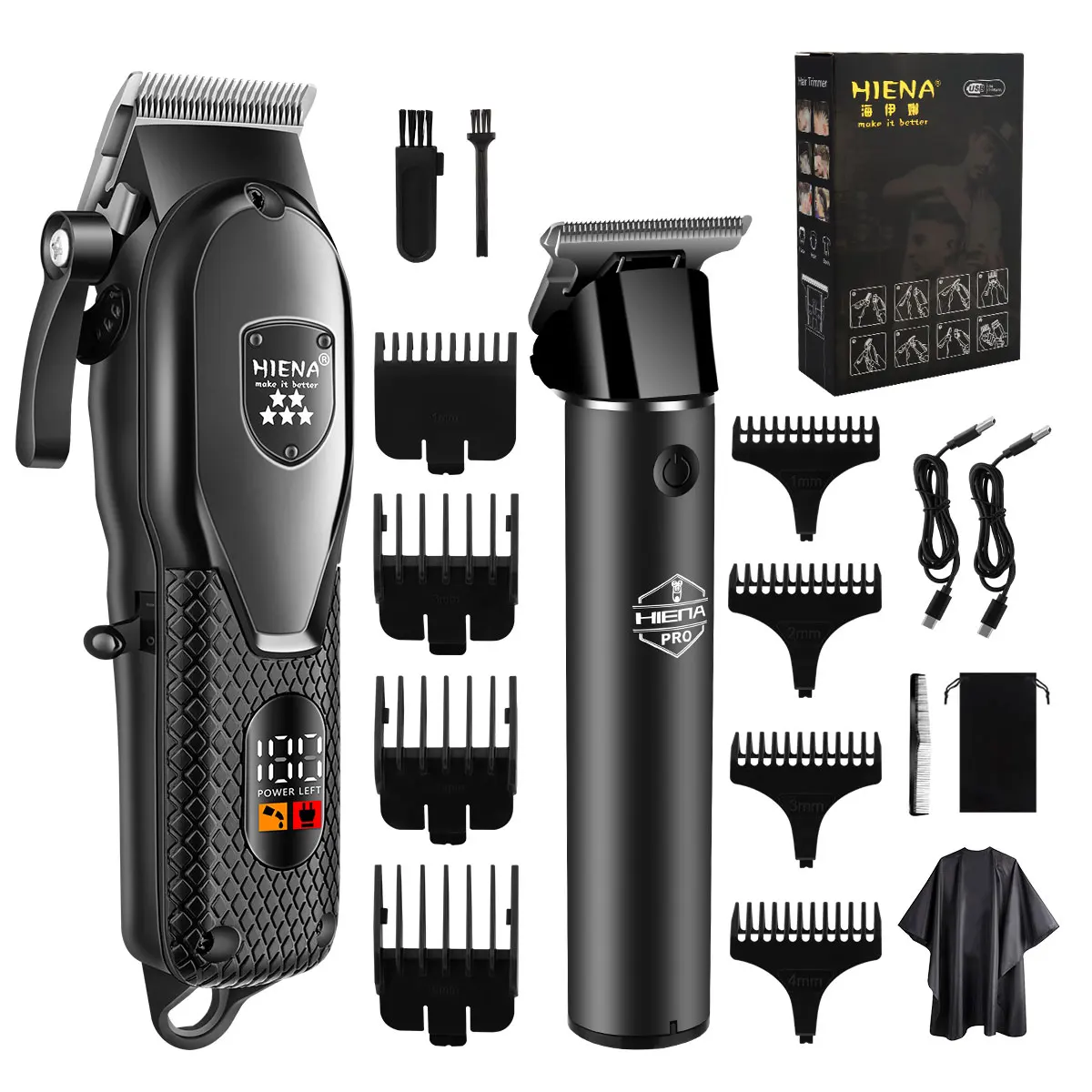
 electric shaver
Electric shaver sign up to reveal
Cost$12.35
Profit$9.39
After ads-$20.79
at $22.72, the low end of similar listings
Sign up to open →Most products that sell don’t survive the cost of the ad that sells them. We show you which ones do, with every number traced to its source.
Cancel anytime•Reminder before you’re charged
Works with Shopify and WooCommerce

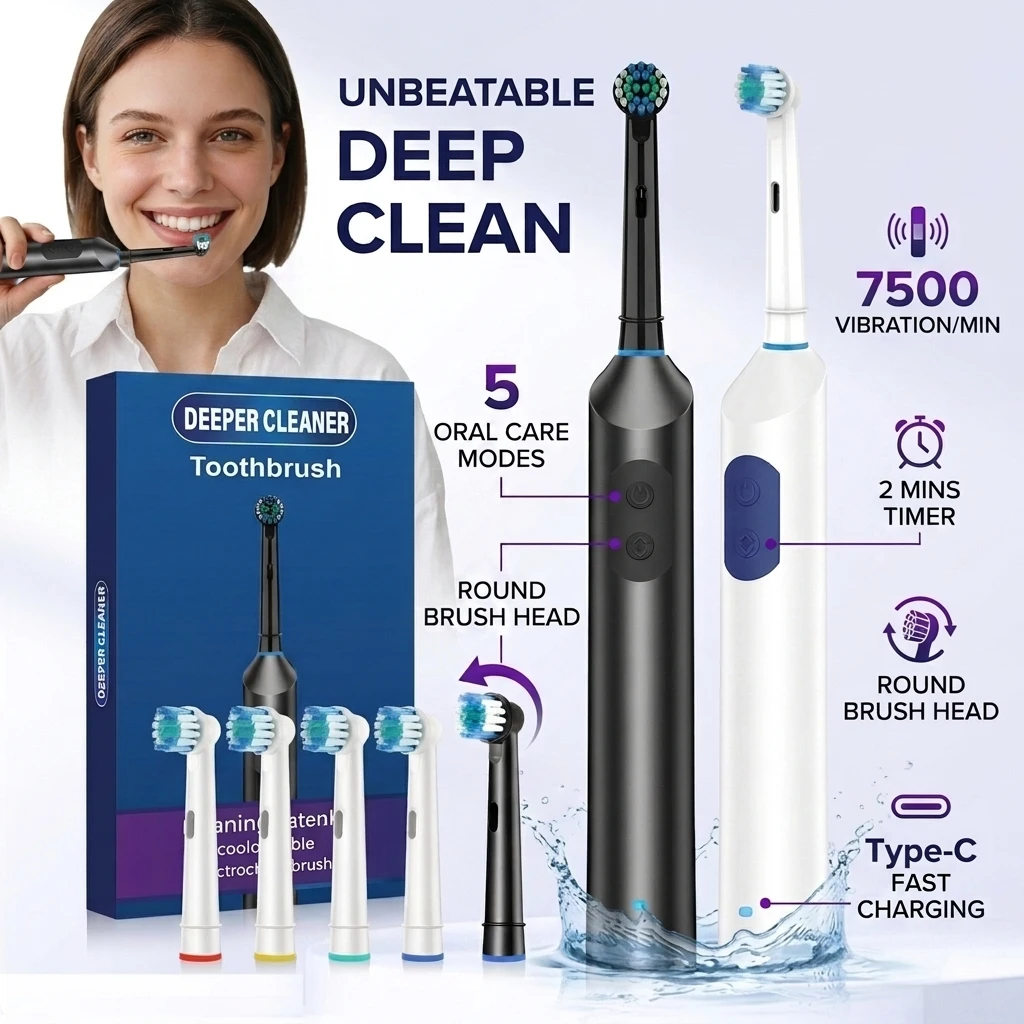
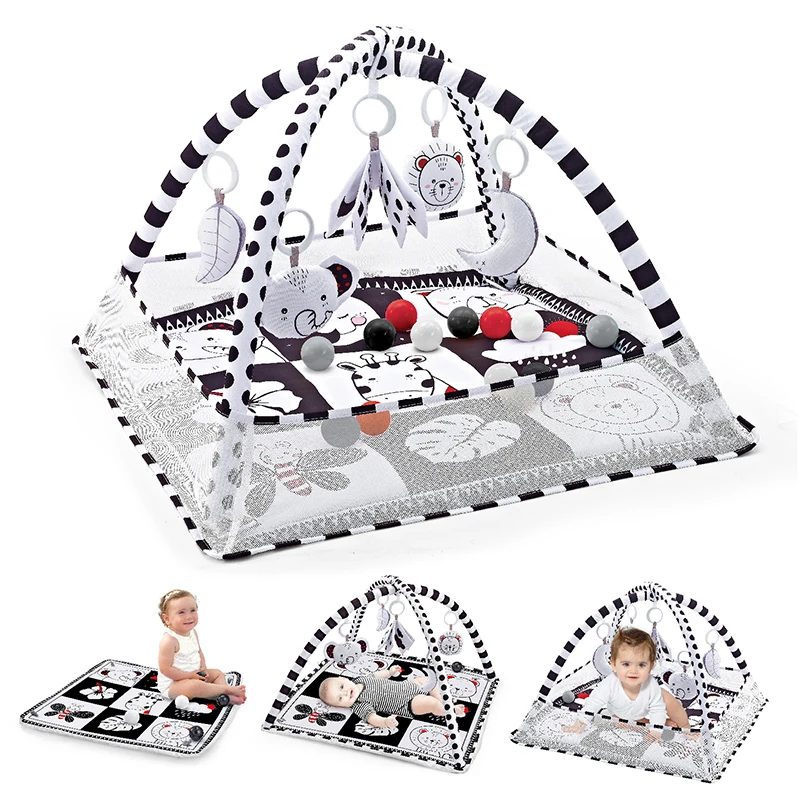
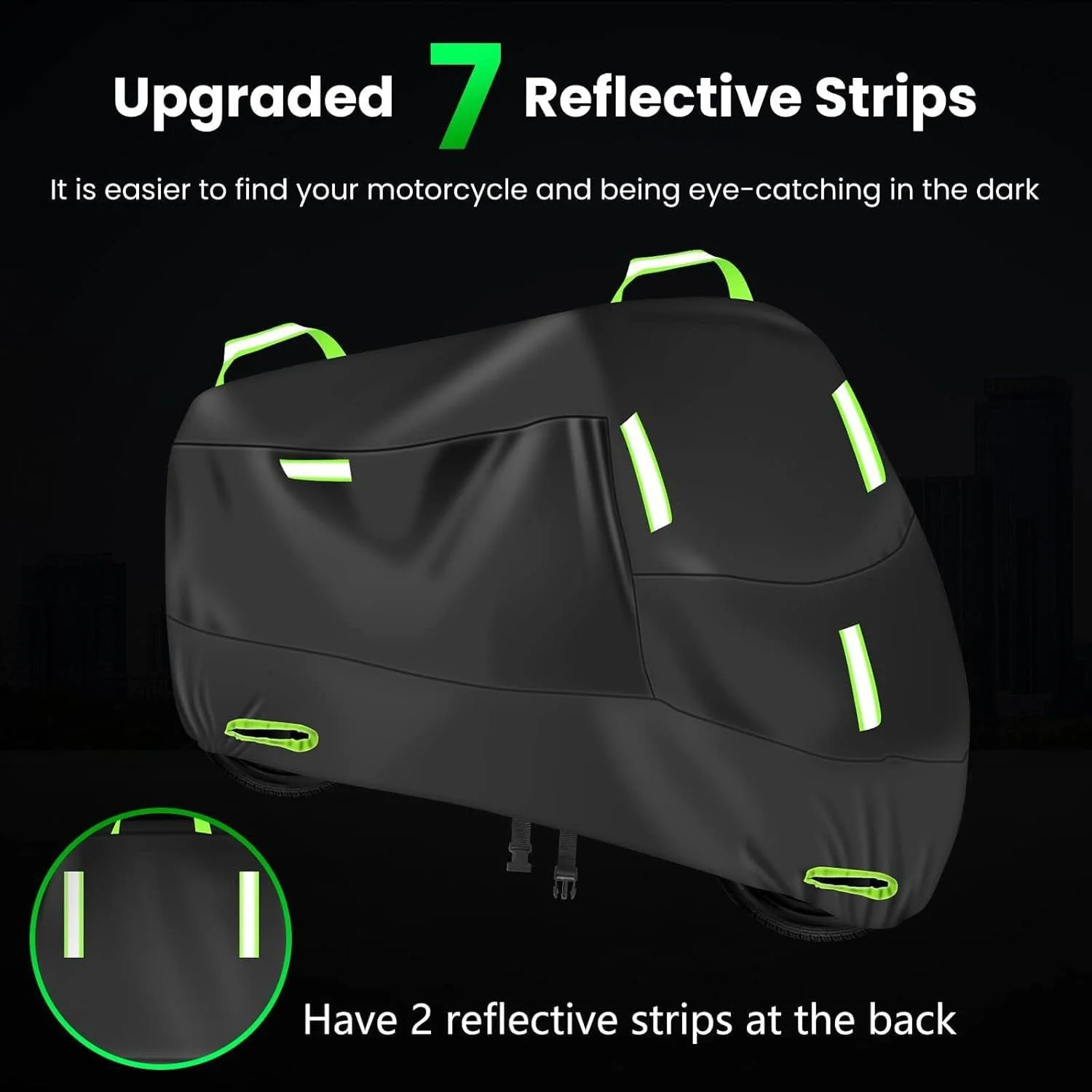

We run the full economics on the fastest-moving products every hour, and most of them fail a check. Every one that fails gets a reason, not a shrug: the margin is too thin, the customer costs more than the sale, or the maker already sells it direct.
Most tools are built to say yes. You need one that will say no.
Finding products is easy. Ruling them out is what you are paying for.
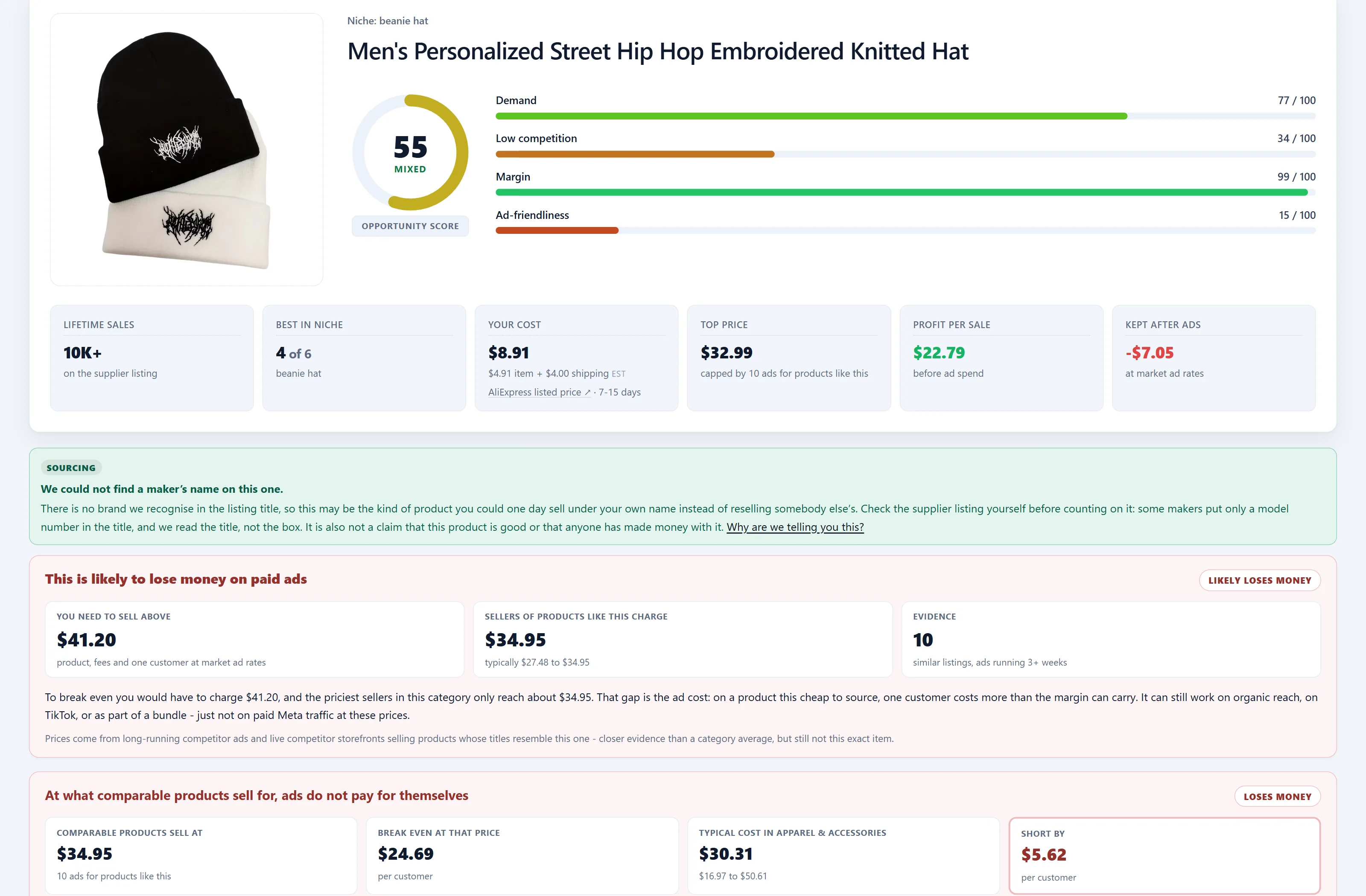
Both are real pages from inside SpotPeaks. Same checks, same math, opposite answer. Which one you are holding is the difference between a store that works and one that does not, and the usual way to find out is to pay for the ads first.
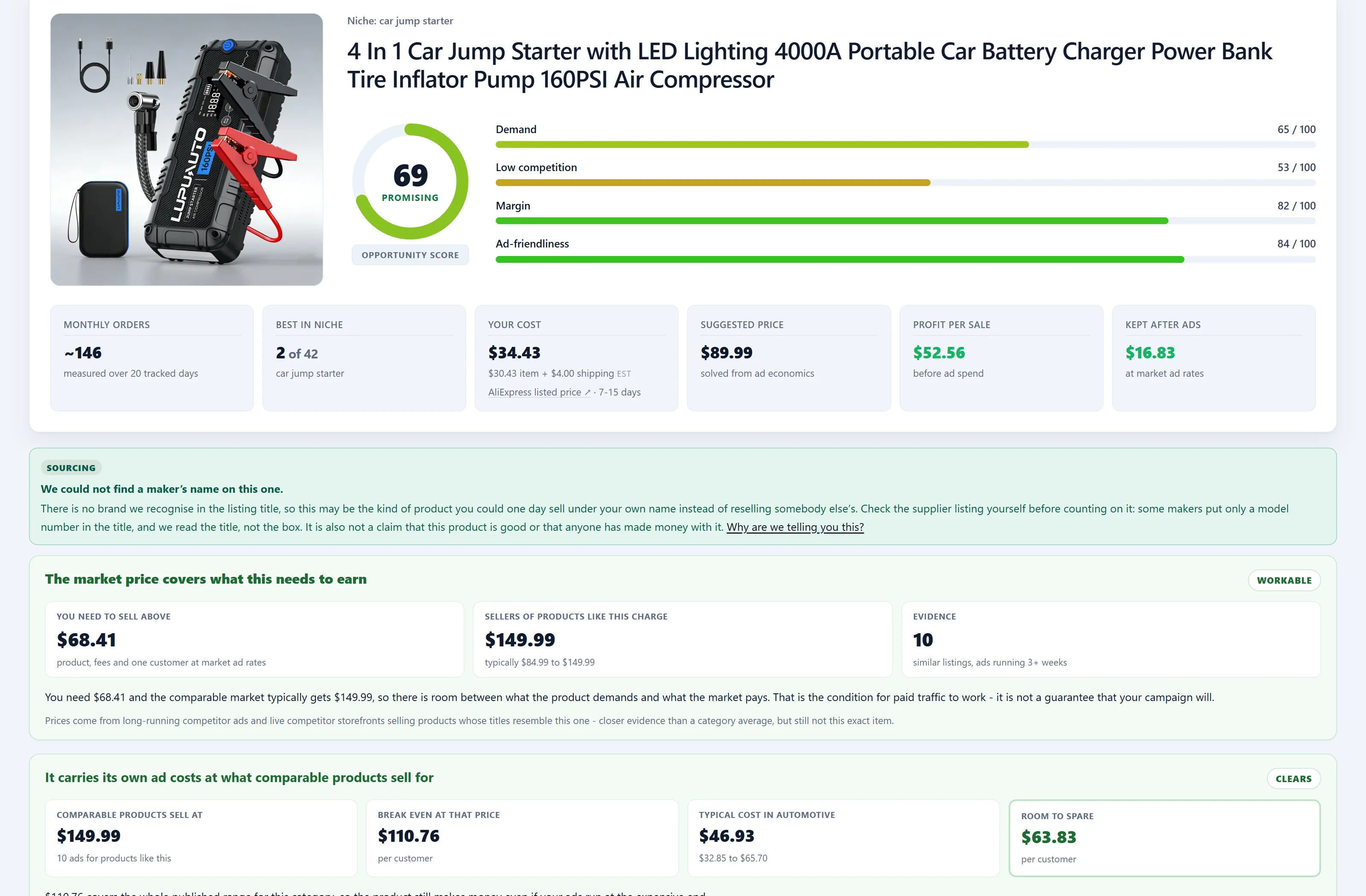
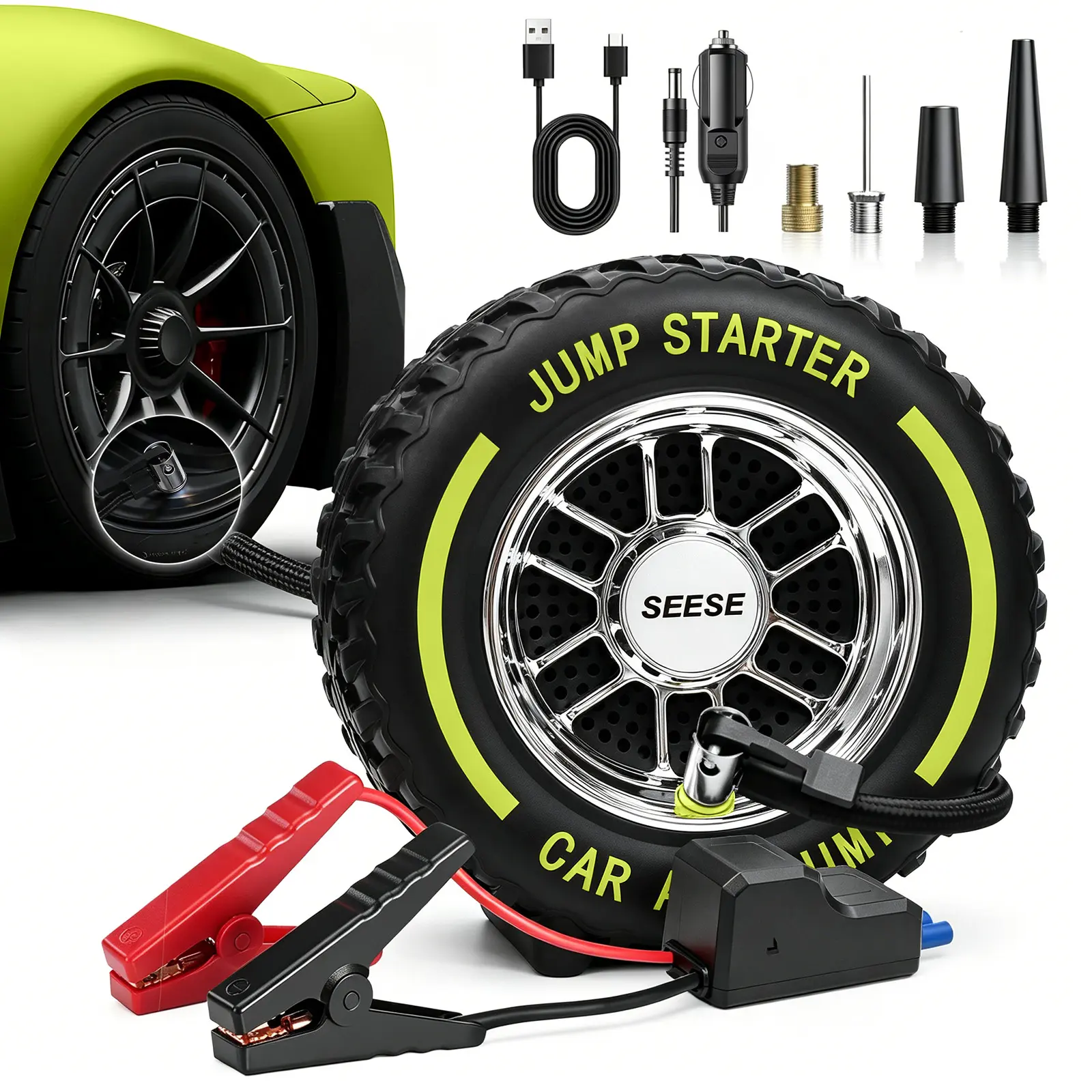
Showing the car jump starter, the product that clears.
Products that crossed the winner bar in our tracking, ranked by the code that builds the real weekly list and then spread across categories and price bands, so five winners are never five of one thing. The money line under each one is what a sale keeps at market ad rates for its category - the number the whole tool exists to protect.




A shortlist is only worth what it leaves out. These came out of the same catalogue, in the same week, against the same checks.
Selling hard, and still a no.
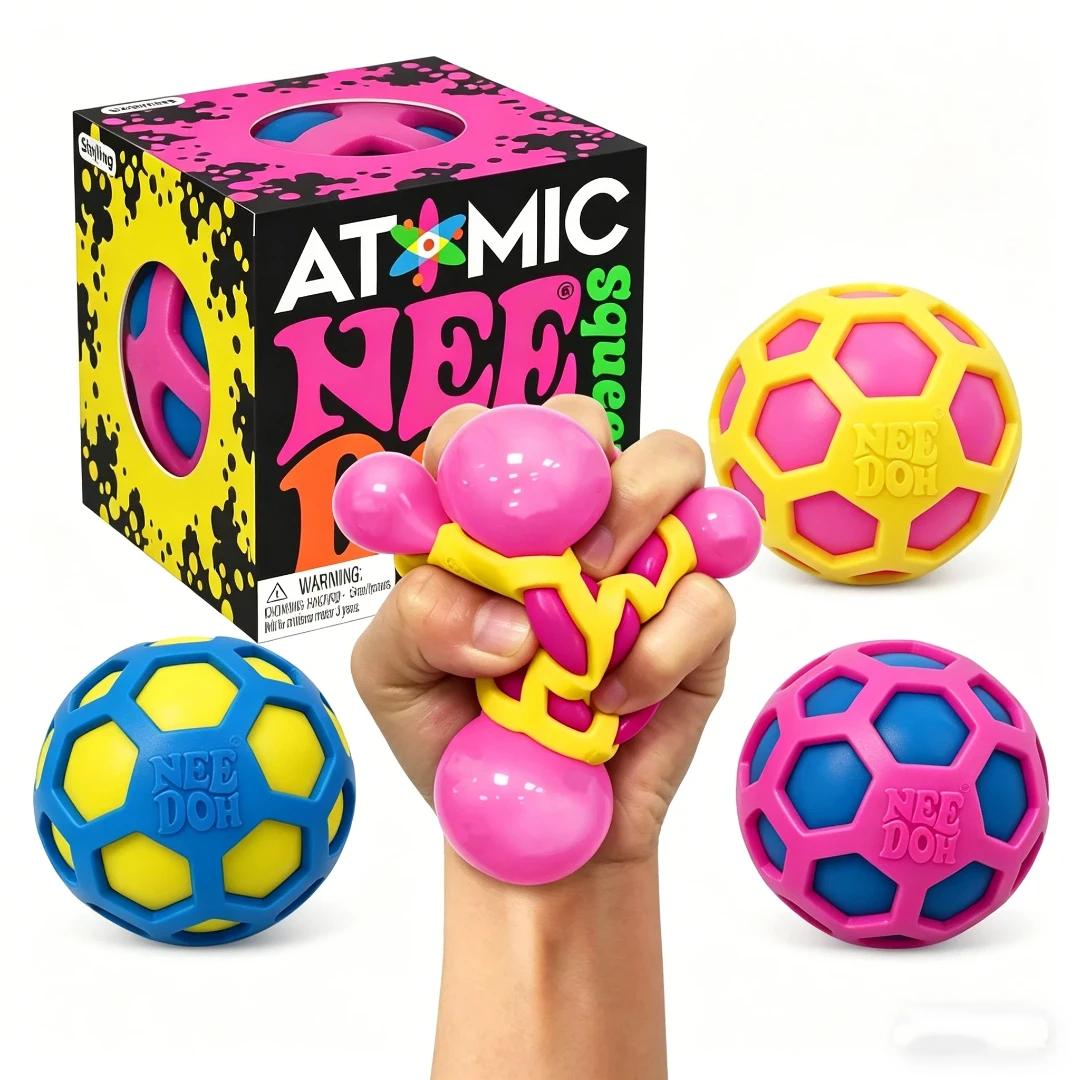
Covering $22.59 landed plus one customer needs $74.99. The 19 comparable sellers we can see sit around $27.00. There is no price in between.
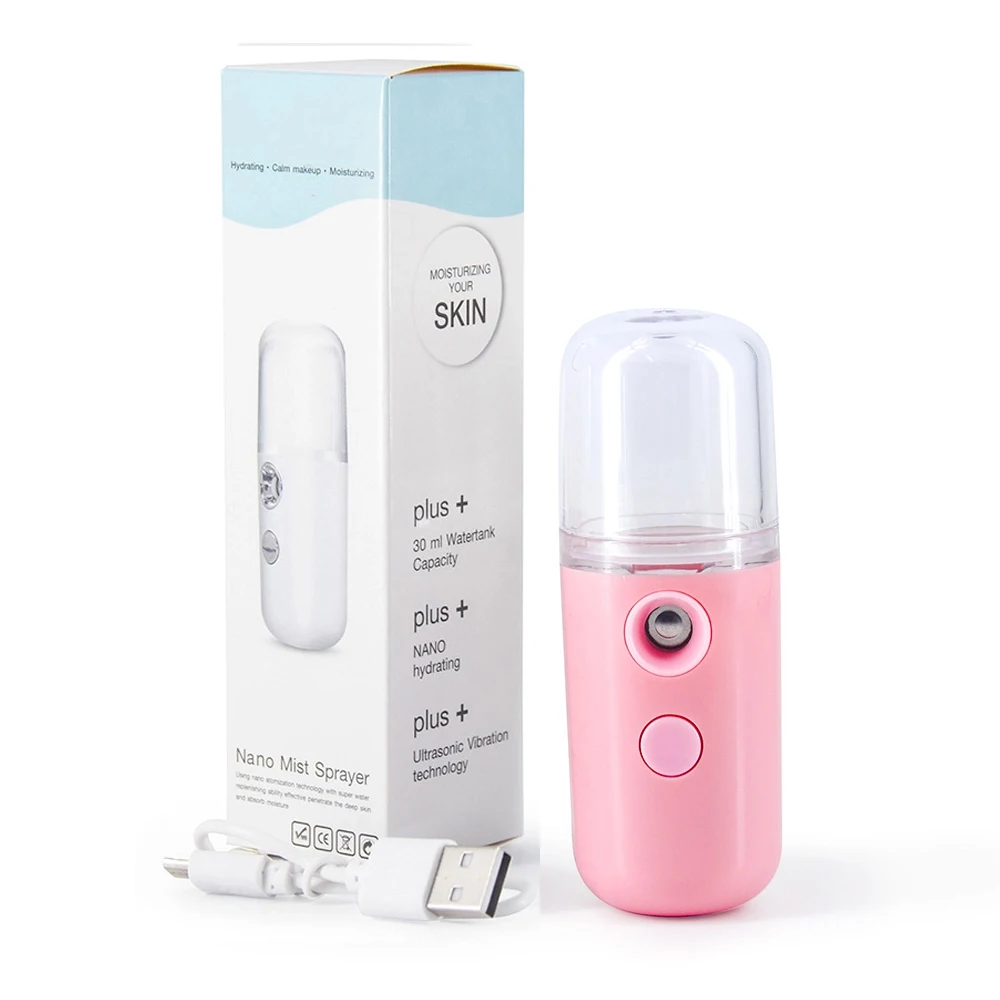
At market ad rates it keeps $9.96 a sale. Ads on a new account routinely run 30% over the benchmark, and at that cost the same sale keeps -$1.51.
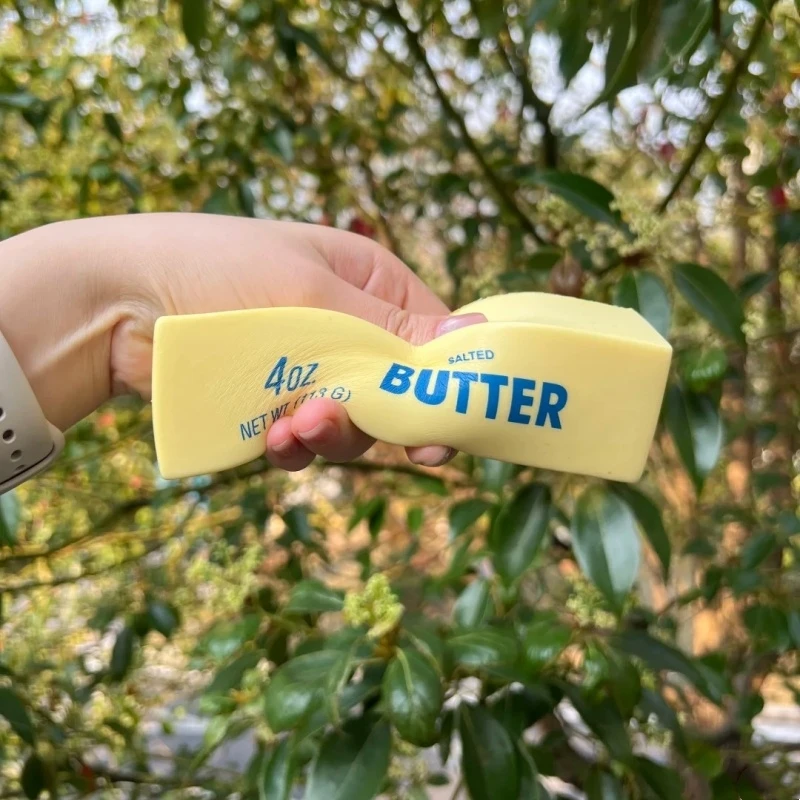
It leaves $32.73 before advertising and one customer costs $34.02 at market rates. A single refund or a week of expensive clicks takes the whole year's margin on it.
Published once, free to quote, and repeated by every tool that sells to you. Almost nobody reads the fine print under it. We did.
The 70% is worked out before ad spend, payment fees and refundsIt is not measured. It is a formula: buy for $8, sell for $32, call it 75%. That is the most common product in that data, on its own numbers. Two costs are missing.
Most stores do not lose to a bad product. They lose to that number, and nobody showed it to them. SpotPeaks shows it on every product, before you spend a cent. It is called Kept after ads, and when it is negative you walk away.
of the products we can put a price on lose money once the ad that sold them is paid for.
electric shaver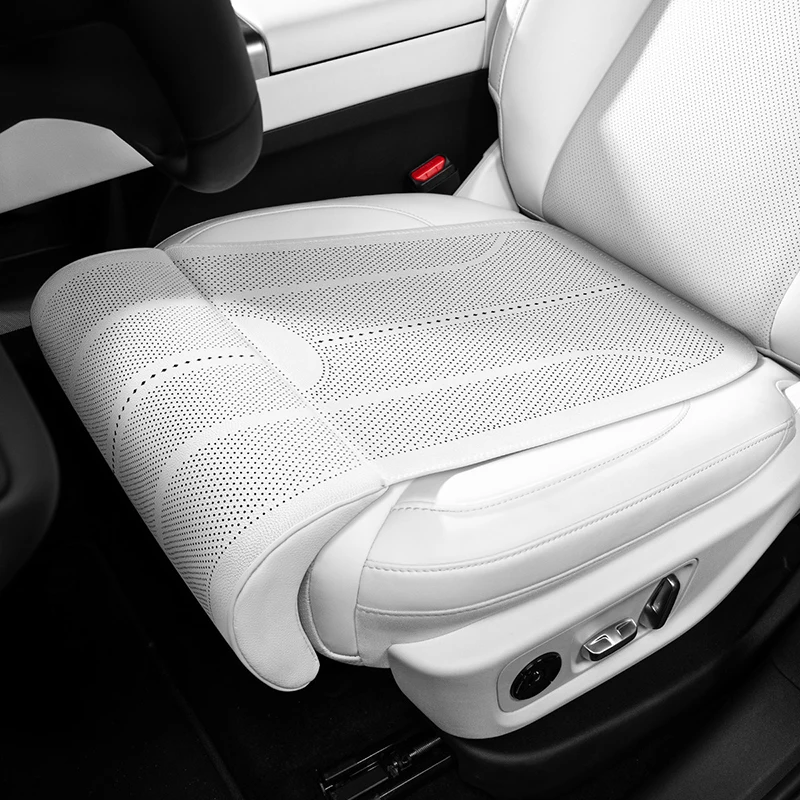 car seat cushion
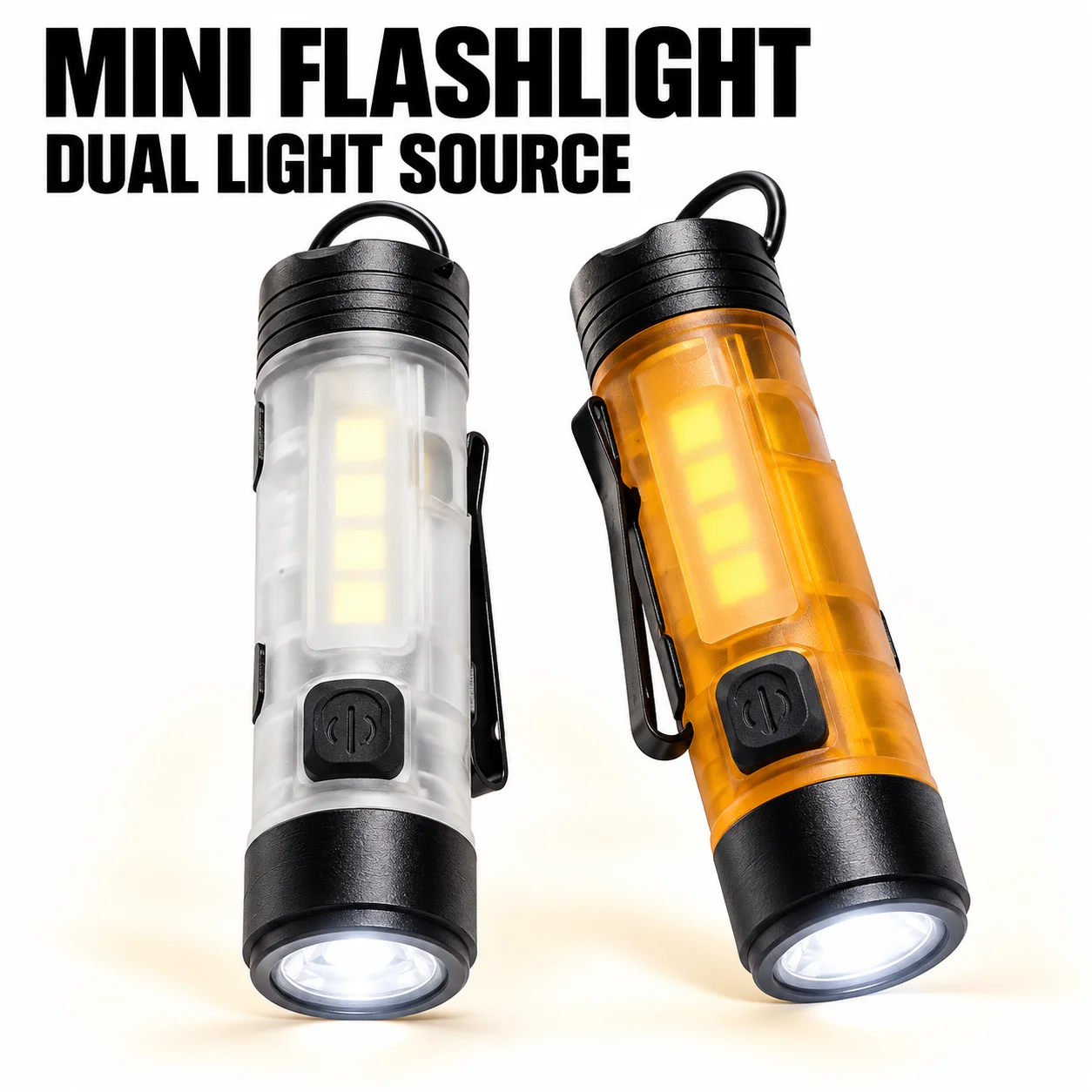 outdoor camping gear
Every product on the boards, with its measured cost, its profit per unit and what it keeps once the ad is paid. When a product loses money after the ad, its card says so in red, like the first and last here, instead of being left out.
How the research works →
The score is our read, and the counts under it are measurements, not opinions. Here the read and the arithmetic agree: it reads weak, because it is hard to advertise (15 of 100) and the margin is thin (38 of 100), and it loses $8.84 a sale after the ad at $29.99. Any tool can show you a product and say it’s a winner. This one is built to talk you out of the wrong ones.
How the verdict is built →
61.1Mpublished sales across the TikTok shops we track, read off TikTok’s own counters
TikTok Shop sellers ranked by the platform’s own published sales counters, measured rather than modeled. Open a shop and every product it sells is paired back to the radar where we have it, so the path from “this store is printing money” to “here is my launch plan for the same product” is two clicks, inside.
How store research works →One card per advertised product, not one per ad. Advertisers run the same product as several creatives and the same creative as several copies - we group them and say so: 3 ad variations, running as 2 copies. The longest runner fronts the card, because nobody funds a losing ad for weeks. Spend estimates exist inside too, labeled as estimates, with the formula on the chip.
How the Ad Finder works →Seven steps from find to launch, then an ongoing optimize loop, with the next step always visible. Pricing, sourcing, store checklist, AI creatives and a live-launch tracker that tells you when to kill or scale. You are never staring at a database wondering what to do with it.
What the Launch Builder covers →Put it against what it replaces. Testing one product blind costs $150-300 in ad spend you will likely lose. SpotPeaks starts at $29.99 a month. You are not paying for software, you are paying to not torch a few hundred dollars on a product the numbers already said no to. We cannot tell you what you will earn - no honest tool can - but we can show you, before you spend, what cannot work.
Monthly only, no free trial
Everything on the research side
Charged today. Cancel anytime.
or $419 a year, save 30%
Everything in Research, plus
Card on the last step of signup.
or $587 a year, save 30%
Everything in Launch, plus
Card on the last step of signup.
| Research$29.99 a month | Launch$49.99 a month | Launch Plus$69.99 a month | |
|---|---|---|---|
| Product finder, with the verdict, the price to charge and the profit | |||
| Weekly Winners, New This Week, Saved and Compare | |||
| Ad Finder | |||
| Store Intel | |||
| Store X-Ray Chrome extension, full panel | |||
| TikTok Shop | |||
| Academy and Guides | |||
| Launch Builder | |||
| Ad Creator and Logo Maker | |||
| Video Ad Maker | |||
| Live Launches and Customer Replies | |||
| Stock It Yourself | |||
| The SpotPeaks assistant | Limited | ||
| AI credits a month | 150 | 250 | |
| Free trial | 7 days | 7 days | |
| Yearly price | Monthly only | $419, save 30% | $587, save 30% |
One credit makes one AI ad image or logo mark. Credits are used by the Ad Creator and the Logo Maker.
Every plan includes the free Academy and the winning product we email every week. 7 days free on Launch and Launch Plus. See everything in each plan →
Drop your email and we’ll send you one fresh winning product from our radar each week. No signup, no card, unsubscribe anytime.
Yes, and your first product is where SpotPeaks earns its keep, because that is where most beginners lose money. You do not start from a blank page: you start from products whose numbers already work once the ad is paid for. Pick one and the Launch Builder takes you through it in order: the price to charge, where to source it and how long shipping takes, your store page and ad copy, then the launch and what to watch in the first week. Along the way you always see what one order leaves you after paying for the customer, so if a product cannot pay, you find out on our page, not on your card statement.
Yes, and most of them do. Every product is priced with the customer in it: the item, shipping, US import duty, the card fee and the ad it takes to find one buyer. A product can sell thousands of times and still lose money on every order, and when it does, the page says so instead of hiding it. That is the difference between a list of products that sell and a list of products that pay.
By how long someone has kept paying for them. Meta publishes the date every ad started, and we check whether it is still running. About half of all the ads we track are gone within 30 days, so one that is still live after a month is one a store keeps choosing to pay for, the strongest signal anyone outside the store can see. We keep a copy of the video, show what the store charges, and connect the ad to the product's own numbers, so you can see whether it would pay at your price too.
Yes. Every store that advertises opens to its campaigns, longest running first, with what it charges for each product. Its products are then priced the same way as everything else on SpotPeaks, at that store's own price, so you see which ones would leave you money and which would not. Stores that sell their own brand are labelled, so you do not chase a product you cannot buy.
Prices, order counts, ratings and reviews are read from the live product listings themselves and kept as a dated record, so the order velocity on a product page is measured from what we actually saw rather than estimated. Ad runtime counts from the start date the ad library publishes for each ad. TikTok Shop sales are the platform's own published counters at the moment we captured them. We do not print revenue estimates for other stores, because nobody outside a store can see its sales, and anything modeled, like ad spend, says so on the page and shows its formula.
You get a reminder before any charge, and cancel is a button in settings, not a support ticket. If you cancel in time you pay nothing.